By Tracy Leonard, Executive Director, Attachment & Trauma Network
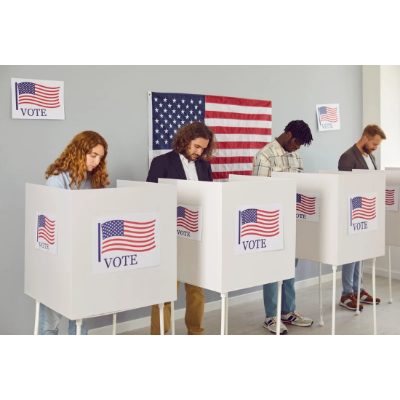
As another election approaches, our country is experiencing a season of passionate debate, strong opinions, and deep divisions. But alongside the important conversations about our future, we are also witnessing something troubling: personal attacks, intimidation, threats, and language that strips people of their humanity.
At the Attachment & Trauma Network (ATN), we believe there is an important question we must ask ourselves: What are we teaching our children through the way we treat one another?
Children are always learning from the adults around them. They observe how we respond to frustration, how we navigate disagreements, and how we treat people whose perspectives differ from our own. Long before children fully understand politics, they are developing an understanding of relationships, safety, trust, and belonging.
When disagreement turns into cruelty, when differences become reasons to threaten or humiliate, and when hostility becomes an accepted form of communication, we risk teaching children that conflict must come at the expense of connection.
We know from our work in trauma-informed and attachment-focused education that relationships matter. Felt safety matters. The way we communicate, respond, and repair relationships matters.
This does not mean we must always agree. In fact, healthy disagreement is essential to learning, growth, and civic participation. We can challenge ideas, question decisions, advocate for change, and hold people accountable without resorting to threats, intimidation, or dehumanization.
Compassion does not require agreement. Respect does not mean silence. And accountability does not have to come at the expense of humanity.
As adults, we have an opportunity—and a responsibility—to model something different.
We can demonstrate that strong convictions and kindness can coexist. That anger can be expressed without cruelty. That differences do not have to destroy relationships. And that even when conflict occurs, repair and reconnection are possible.
For parents and caregivers, this may mean having thoughtful conversations with children about the messages they hear. For educators, it may mean creating spaces where students can respectfully explore different perspectives. For community leaders and public figures, it means recognizing that words and actions reach far beyond their intended audiences.
At ATN, our mission is to build connections that help children heal. We believe those connections extend beyond homes and classrooms into the communities we create together.
As this election season continues, we invite everyone—regardless of political affiliation—to consider the example we are setting.
Our children do not need us to agree on everything. They need us to demonstrate that disagreement does not have to mean disrespect, that differences do not justify cruelty, and that every person deserves dignity.
The election will end. But the lessons our children learn from how we treat one another will remain.
Let’s make those lessons ones of courage, compassion, connection, and respect.