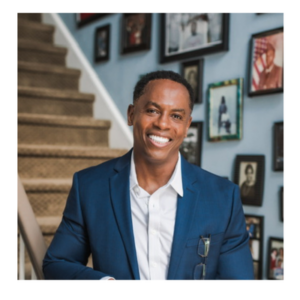
At this year’s Learning Brain Exchange, we are honored to welcome Dr. Lori Desautels, an internationally recognized educator, author, and pioneer in Applied Educational Neuroscience. Her Tuesday morning session will be focused on the new MTSS for Adults framework her team has developed.
Supporting Adults’ Nervous Systems for Healthier Children and Youth
MTSS for Adults. Dr. Desautels will explore and explain this new framework for all adults who work with and care for children. We will explore the practices, mindsets, and nervous system states that shape our feelings and behaviors—whether they promote ease and safety or dysregulation in environments that lack perceived safety. Since emotions and stress are contagious, adults who become aware of their nervous system states can learn practices to calm, regulate, and resource themselves. These practices reduce power struggles and conflict, while opening space for curiosity, reflection, and new strategies within challenging environments and relationships.
Who Is Dr. Lori Desautels?
Dr. Desautels is an Assistant Professor at Butler University’s College of Education, where she teaches both undergraduate and graduate courses in applied educational neuroscience. She holds degrees from Butler University and Indiana University, and she has more than 25 years of experience as a teacher, school counselor, university instructor, and professional development leader.
She is also the founder of the Educational Neuroscience Symposium and creator of Butler’s Applied Educational Neuroscience Graduate Certification, which has become a model for educators worldwide seeking to integrate brain-based and trauma-informed practices into schools.
Why Her Message Matters for the Learning Brain Exchange
Dr. Desautels will be outlining an Adult MTSS Framework for us during her session. This cutting-edge work is grounded in the neuroscience of how toxic stress impacts ALL brains and how adult regulation is needed to help children get regulated and be able to learn.
Dr. Desautels’ work exemplifies the mission of this conference. She reminds us that learning is not merely cognitive—it is profoundly physiological and relational.
Her insights challenge educators to see beyond behavior, to recognize the brain-body connection, and to prioritize regulation and connection as the foundations for engagement and rigor. As she often says, “You cannot discipline dysregulation. You must connect before you correct.”
Her session will offer participants an inspiring and practical roadmap for creating learning environments where both educators and students thrive—where the brain is ready to learn, the heart feels safe, and the whole child can flourish.